Bank account in Armenia for Iranian citizens in 2026
Iranian citizens can open a bank account in Armenia, but no bank must accept you. What banks ask in 2026, why USD and SWIFT are harder, and Wise or PayPal.
By The editorial team
12 min read
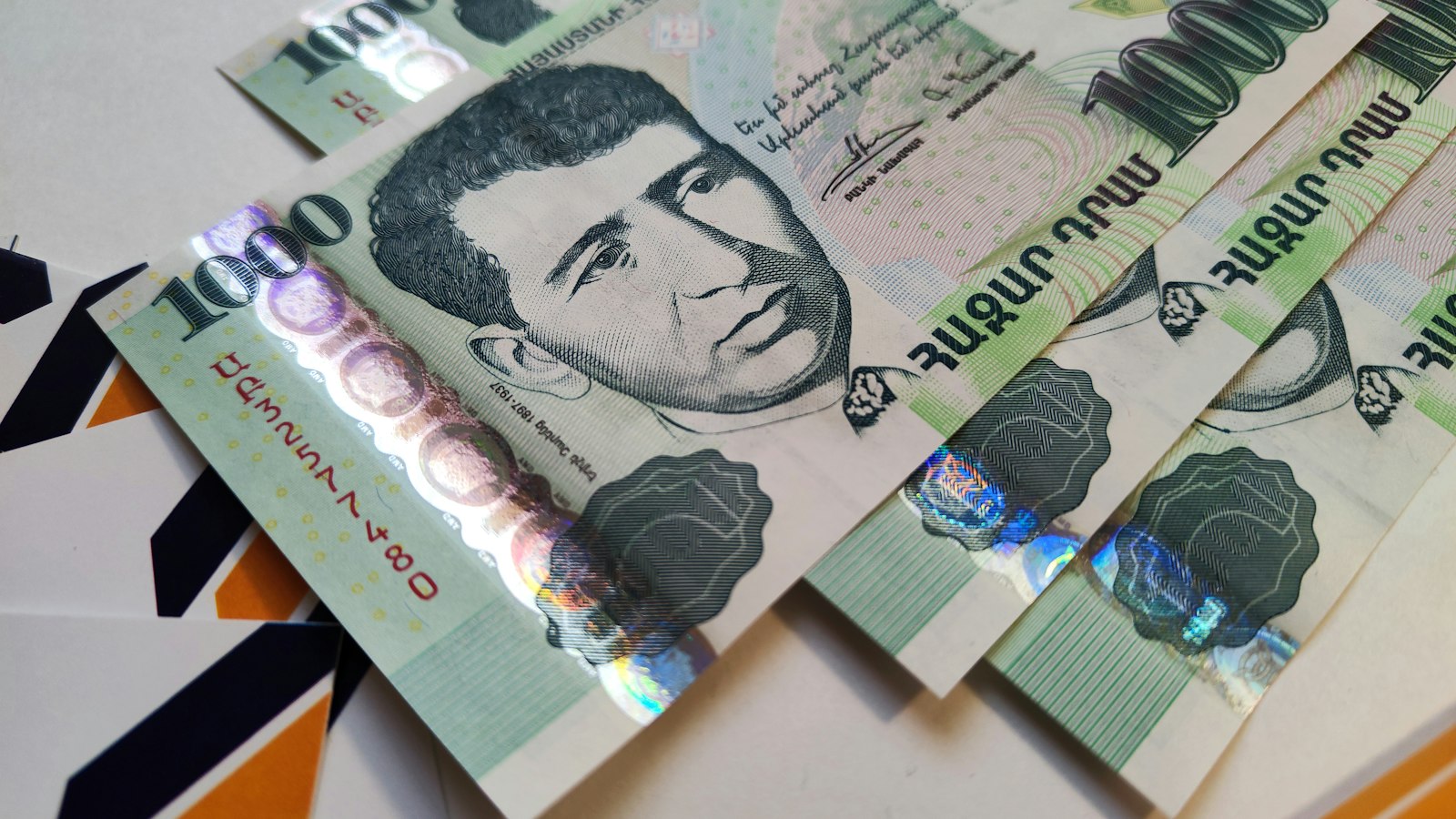
Yes, Iranian citizens can open a bank account in Armenia, and many do. No Armenian law forbids it, and none obliges a bank to say yes. Each bank makes its own risk decision, and the pattern people and agencies report in 2026 is consistent: an account in drams is usually the easy part, while foreign-currency accounts and SWIFT transfers are where Iranian clients get extra questions, delays or a polite refusal.
What you will not find here is a list of "banks that accept Iranians". We looked for one that a bank had confirmed in writing in 2026 and found none. The Persian listicles that name seven or eight banks contradict each other, and none of them cites a bank. A bank that opened an account for your cousin last spring can refuse you this autumn, because the rules banks work under changed in August.
Caution
Checked in October 2026. Bank policies for Iranian clients are not published anywhere, change without notice and vary by branch and by officer. Before you plan around a bank, call it or visit a branch and ask about your exact case: citizenship, residence status, which currencies you need, and where your money will come from.
Can Iranian citizens open a bank account in Armenia
The legal answer is short. In 2018, as re-imposed US sanctions on Iran began to reach Armenian banks, the Central Bank of Armenia said there was no Armenian regulation banning banks from serving Iranian citizens, and that any restrictions were the banks' own decisions (ARKA, ArmBanks). We found no newer statement from the Central Bank on Iranian clients, so that is still the only official position on record.
The practical answer is longer. Banks in Armenia depend on correspondent banks abroad to move dollars and euros, and those correspondents care a great deal about Iran. So the decision about you is shaped less by Armenian law than by what a bank's compliance team thinks its partners in New York or Frankfurt will tolerate.
Expect the process to be slower than it is for most foreigners. For a well-prepared personal account, sources range from the same day to about a week, and reviews of Iranian and Russian clients run longer. Plan on days to a week or more, and do not book anything that depends on the card arriving.
Do I need a residence card
Not by law. Ameriabank's published document list for non-citizens asks for a passport or a lawful-residence document plus proof of address, so a passport alone is the starting point there.
In practice, consultancies and agencies report that some banks ask Iranian applicants for a residence card, or for other proof that you actually live in Armenia: a lease, an Armenian employer, or a substantial deposit. That is a bank's internal policy, not a legal requirement, and it differs from bank to bank. If you arrived visa-free a week ago and one bank asks for a residence card, the next bank may not.
If you are planning to get residence through an IE or a company, note the loop this can create: from November the business route asks for money on the IE's accounts or turnover through them. Our guide to residence for Iranians through an IE or company covers those tests.
Why some banks open only AMD accounts
A dram account mostly moves money inside Armenia. A dollar or euro transfer to or from abroad is different: it goes over SWIFT through a correspondent bank, and that correspondent screens the parties for sanctions risk.
For an Iranian client, this is the reported sequence. The bank opens a current account in AMD, which at least one bank requires before any other service anyway: Ameriabank's tariffs say a dram current account comes first. Then the request for a USD or EUR account goes to compliance, and the answer may be no, or yes with conditions. Agencies report that incoming and outgoing SWIFT transfers can be refused or held for questions even when the currency account exists.
So when someone tells you "I opened an account in two days", ask which currency. A dram account with a local card is genuinely useful: rent, utilities, salary from an Armenian employer, card payments. It does not solve receiving dollars from a client abroad.
What happened in 2018, and what changed in 2026
In late 2018, after the US re-imposed sanctions on Iran, several Armenian banks closed or restricted foreign-currency accounts held by Iranian citizens, and some of the restrictions reached Iran-born clients as well. Reports at the time had Byblos Bank Armenia saying it did not serve Iranian citizens, IDBank saying it continued to, and Inecobank deciding case by case (banks.am, Eurasianet).
Treat all of that as history. Those were the positions of one autumn, eight years ago. Persian pages that still quote them as current are wrong in a way that can cost you a wasted trip to a branch.
What did change recently: the Central Bank's new rules on managing the risk of sanctions circumvention came into force on August 12, 2026Estimate: Not yet confirmed by an official source. Last checked October 5, 2026. (ArmBanks). They cover restrictive measures imposed by any state or international organisation, not only the sanctions on Russia that prompted most of the coverage. Banks must screen clients, counterparties and intermediaries, may suspend or reject transactions, and must re-assess a client within 1Estimate: Not yet confirmed by an official source. Last checked October 5, 2026. business day of a change to a sanctions list or to the client's data. For individuals, The Moscow Times reported checks of citizenship, residential address and tax residence.
None of the reports we read mentions Iran by name. But the rules apply to every sanctions regime, and US sanctions on Iran are what drove the 2018 restrictions. Our reading is that Iranian clients now meet a more formal version of the same caution they met before. We cannot point to a source that says so directly.
Documents and source-of-funds proof to prepare
Bring more than the bank asks for on its website. The officer can request the rest on the spot, and every extra visit pushes the account back by days.
- Your passport, valid, with the entry stamp.
- Proof of address in Armenia. A lease is what most people use; Ameriabank's list also names a utility receipt or a residence reference.
- Your public services number (the "social card" number), or an official statement that you do not have one. Ameriabank's list accepts the statement. Some secondary sources say most banks want the number itself, and it is free to get, so getting it first saves an argument.
- Statements from a bank you already use, ideally covering the last year. Ameriabank lists these as an extra it may ask for.
- Proof of where your money comes from: an employment contract or letter, client contracts and invoices, documents for a property sale or inheritance.
- Expect a tax-residency self-certification form (the CRS form) as well, which banks have been adding to their paperwork.
Source of funds is where Iranian applicants lose the most time. A designer from Isfahan who arrives with savings in cash and a contract with a Dubai agency has two separate stories to tell, and the bank will want paper for both. Cash brought across the border needs a written customs declaration once it exceeds USD 10,000 in one crossing, and above USD 100,000 you must also show documents proving where it came from (State Revenue Committee). Keep the declaration: it is also a document you can show the bank about that cash. How money gets from Iran to Armenia in the first place is a separate problem, covered in our post on sending money from Iran and proving its source.
Fees vary, and only a few are published in a form we could check. Ameriabank charges non-citizens AMD 20,000 for due diligence when opening a relationship, and only if it approves you (tariffs). Inecobank's standard tariff lists AMD 25,000Estimate: Not yet confirmed by an official source. Last checked October 5, 2026. for a non-resident opening a dram current account, though we could not open the bank's own file to confirm it. Fee tables for other banks on agency sites do not match each other, so we leave them out. More on the general process, for any nationality, is in our guide to opening a bank account in Armenia as a foreigner.
Can an IE business account receive foreign payments
It can. For freelancers registered as individual entrepreneurs, a direct SWIFT wire in dollars or euros into an Armenian bank account is the standard route, and Payoneer is the common alternative because Stripe does not work in Armenia and PayPal receiving is limited.
The catch for an Iranian owner is the same one as for a personal account, one level up. The IE account in drams is the easy part. The foreign-currency side goes through compliance, and under the new sanctions rules a bank may hold or query an incoming payment linked to a sanctioned jurisdiction or party. If you are a developer in Yerevan billing a client in Germany, have the contract and the invoice ready before the first payment arrives, and check that the payer and the purpose line on the transfer match them. A query you can answer the same day is a delay; one you cannot answer is a returned payment.
We could not find any bank that publishes its policy for IE accounts owned by Iranian citizens. Ask the bank before you register the IE whether it will open the account and in which currencies.
If you plan to invoice foreign clients through an IE, see the estimated tax on that income first. The calculator compares each IE regime you appear eligible for with employment at your income.
See your own numbers
Type your income and activity to compare every regime you appear eligible for, with your deadlines.
Wise, PayPal and Payoneer with an Iranian passport
None of these is a full substitute for an Armenian bank account, and the Iranian-passport question is unanswered for most of them.
| Service | What works from Armenia | The Iranian-passport question |
|---|---|---|
| Wise | Residents of Armenia can register and send money. They cannot hold balances, get account details or get the Wise card. Wise does deliver drams into Armenian accounts. | Wise does not operate in Iran and states its restriction by location, not nationality. Its verification rules for Iranian citizens living in Armenia are not published. |
| PayPal | The Armenian site offers sending and paying only; receiving and withdrawing are not generally available. | Mostly beside the point: receiving is not generally available to anyone in Armenia. |
| Payoneer | Converse Bank's app links a Payoneer account and moves USD or EUR into a Converse account, up to USD 5,000 per transfer and USD 10,000 a month. Money cannot go back from Converse to Payoneer. | We found no Payoneer statement on Iranian citizens living abroad. Ask Payoneer support before you build your invoicing on it. |
| Stripe | Not available in Armenia at all. | Does not arise. |
Sources: Wise help articles on where Wise works, holding balances and the card; PayPal Armenia; Converse Bank's Payoneer FAQ, which is undated; Stripe's country list.
A practical point on Wise: because it judges by where you live, an Iranian citizen with a lease and residence in Yerevan is in a different position from one who lives in Tehran. Whether Wise accepts an Iranian passport as your identity document during verification is the part nobody has documented. If you try, use your real details, and do not move money you need next week through an account that has not passed verification.
For the full picture of getting paid from abroad, including which routes clients find easiest, read how freelancers in Armenia receive foreign payments.
Iran-born dual nationals and repatriates
This is the least documented part of the topic. In 2018, some of the restrictions reached clients who were born in Iran, not only Iranian passport holders, and Persian news stories from that time about Armenian banks "warning" Iran-born dual nationals still circulate. We found nothing from 2026 that says how banks treat birthplace today.
Do not expect a second passport (Armenian, European, Canadian) to make your Iranian citizenship irrelevant. Under the new sanctions rules banks look at citizenship, address and tax residence, so declare every citizenship you hold: one the bank finds out about later gives it a reason to review, and possibly close, the account. One thing is documented: for fees, an Armenian citizen is a citizen. Ameriabank's due-diligence fee for non-citizens does not apply.
For Iranian Armenians who have taken or restored Armenian citizenship, we found no reports either way on how banks treat them in 2026. If you still live partly in Iran, receive money from Iran or are an Iranian tax resident, expect the same compliance questions on foreign-currency transfers as any Iranian client. Ask the bank directly, and answer every question about other citizenships in full.
Questions people ask
Which is the best bank in Armenia for Iranians
There is no answer we can give honestly. No bank has published a policy for Iranian clients, the agency lists disagree, and policies can change from one month to the next. The useful question is narrower: which bank will open the accounts and currencies you need, for your status, this month. Call two or three banks with that question before you visit.
Can I open an account before I arrive, or remotely
Usually not. A first account in Armenia normally needs an in-person visit for identification. Some banks offer video identification for some clients, or accept a power of attorney, but do not count on either for an Iranian passport. Agencies that promise a remote account are describing a service they sell, not a bank policy.
Is Mellat Bank in Yerevan an option
Mellat Bank CJSC is a licensed Armenian bank with one branch in Yerevan, owned by Iran's Bank Mellat, which is under US sanctions. We do not assess it or suggest it as a channel; that is a question for a lawyer who knows sanctions law.
Can a bank close my account later
Yes. Banks can end a relationship on compliance grounds, and under the new rules they re-assess clients whenever a sanctions list or the client's data changes. The best protection is boring: keep your documents current, tell the bank when your address or status changes, and be ready to explain larger transfers with paper.
General information, not tax advice. Figures come from draft rules last checked on October 1, 2026 and may change; confirm with an accountant before you act. How we calculate
See your own numbers
Type your income and activity to compare every regime you appear eligible for, with your deadlines.